How much should you spend on a baby shower gift?

So the invitation's on the fridge and you're standing in the shops (or the online checkout) wondering the same thing everyone does: how much am I actually meant to spend? There's no rule written anywhere, but there is a pattern — most guests in Australia land somewhere between AUD 30 and AUD 100, and surveys put the overall average around AUD 60. (If you're in the US, the pattern is almost identical — most guests land between USD 30 and USD 75.) The right number for you comes down to one thing above all: how close you are to the parents-to-be.
The quick guide, by how you know them
| Your relationship | AUDTypical spend (AUD) | USDTypical spend (USD) |
|---|---|---|
| Close family — siblings, parents, in-laws | $100–$200 | $75–$150 |
| Extended family — aunts, uncles, cousins | $60–$100 | $40–$75 |
| Close friends | $50–$100 | $40–$75 |
| Friends | $50–$80 | $30–$60 |
| Work colleagues and group friends | $25–$60 | $20–$40 |
| Acquaintances | $20–$40 | $15–$30 |
These are typical ranges drawn from Australian registry and wishing-well gift data and US survey data from The Bump and BabyCenter in 2026 — not minimums you owe. Close family tends to sit at the top end and workmates at the bottom.
Five things that honestly change the number
- Is it their first baby? First-baby showers tend to be bigger because the parents are genuinely building everything from scratch. A second or third baby usually means smaller, thoughtful gifts.
- Do they have a list? If the parents have a gift list or registry, that's your budget answer — pick something on it that sits comfortably in your range. Around two-thirds of baby shower gifts come straight off a registry, because everyone knows it's what the family actually needs.
- Are people chipping in together? Workmates and friend groups often combine for one bigger item — a pram, a cot, a car seat. Your share might be AUD 30, but the gift reads as AUD 200 worth of useful.
- What's your own budget? This is the one nobody says out loud: give what you can comfortably afford. A heartfelt AUD 35 gift chosen with care means more than a reluctant AUD 90 that makes your week tight.
- Are you going to the shower itself? Attending costs you time and often travel too — a slightly smaller gift is completely normal when you've already shown up.
What about cash or a gift card?
Totally welcome, and getting more common. In Australia, cash or a gift card in the AUD 30–80 range suits most guests, with close family often giving AUD 100+. In the US, the same gesture sits around USD 25–60, with close family often giving USD 75+. If you go this way, add one small practical thing — a book for the baby, some muslin wraps, a pair of tiny socks — so there's something to unwrap on the day. Digital "wishing wells" work the same way: it's the thought and the gesture, not the envelope.
The part that matters more than money
Here's the thing new parents quietly appreciate most: gifts that get used. Babies outgrow sizes in weeks, duplicate plush toys pile up, and Finder's research on the cost of a first year — thousands of dollars once you count the pram, cot, car seat and nappies — means every genuinely useful gift counts double.
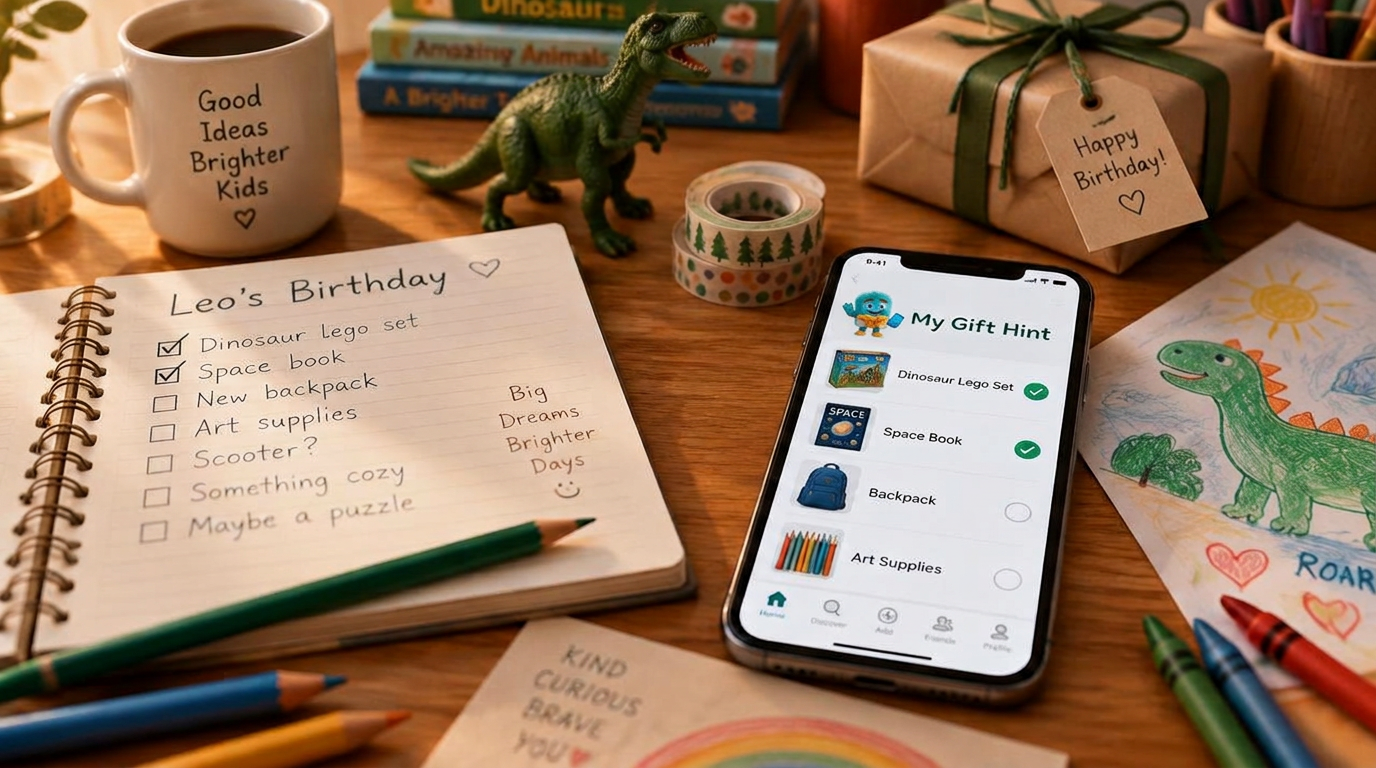
So before you spend a dollar, check whether the family has a list. If they use My Gift Hint, they'll share a simple link — you open it, see exactly what's wanted, and claim the thing you can afford. No guessing, no duplicates, no wasted money. Making a free list takes two minutes — for you, or as a gentle hint to the parents-to-be that it saves everyone the guessing game.
The one-line answer
AUD 50–100 if you're close, AUD 20–50 if you're not, and something on their list beats something off it every time. Spend with your heart and your budget, not the etiquette charts. In the US that lands in almost the same place: USD 40–75 if you're close, USD 15–40 if you're not.