Sustainable gifts: why the best present is one that gets used
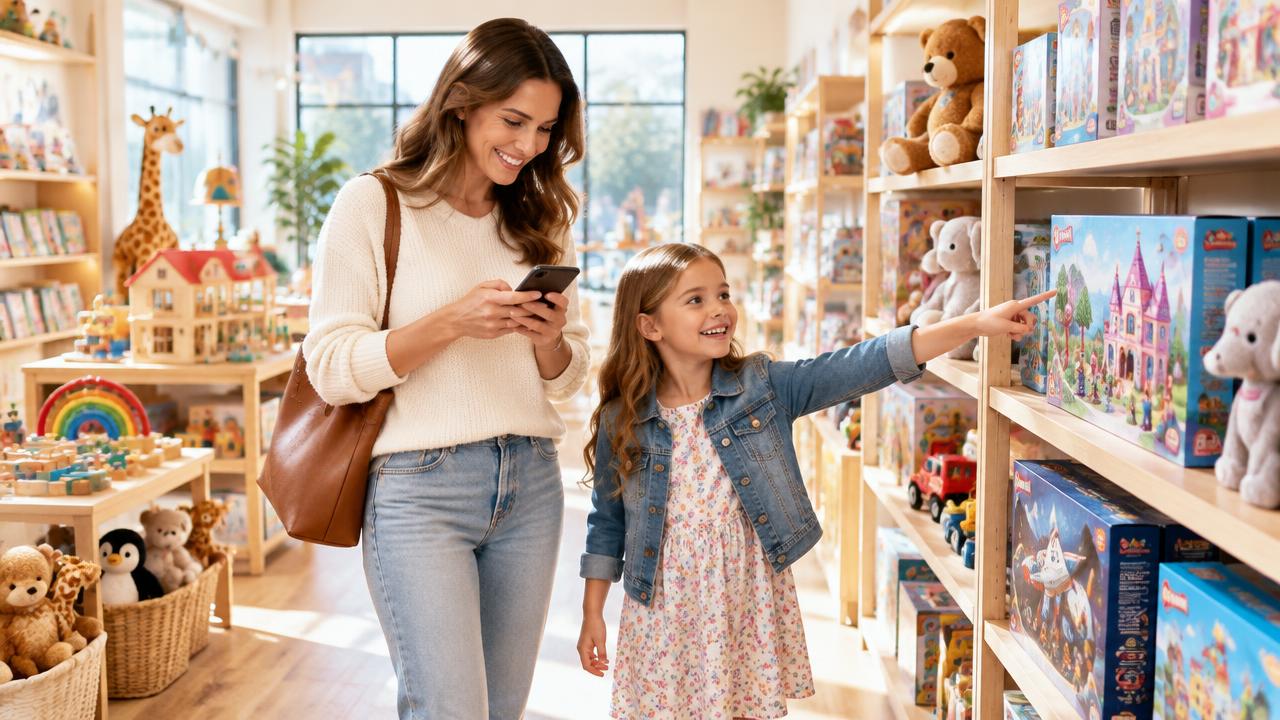
We have all done it. We spend time thinking, drive to the shops, pay for something lovely, wrap it, and hope we have chosen well. Then the gift is barely used. That is not only a wasted thing. It is wasted money, time, energy and care — for the giver and for the planet.
A useful gift is a sustainable gift
I love giving presents, and I do not think thoughtful gifting means we have to stop buying things. We need things, we enjoy them, and a present can bring real joy. I simply want the things we give to be loved and used.
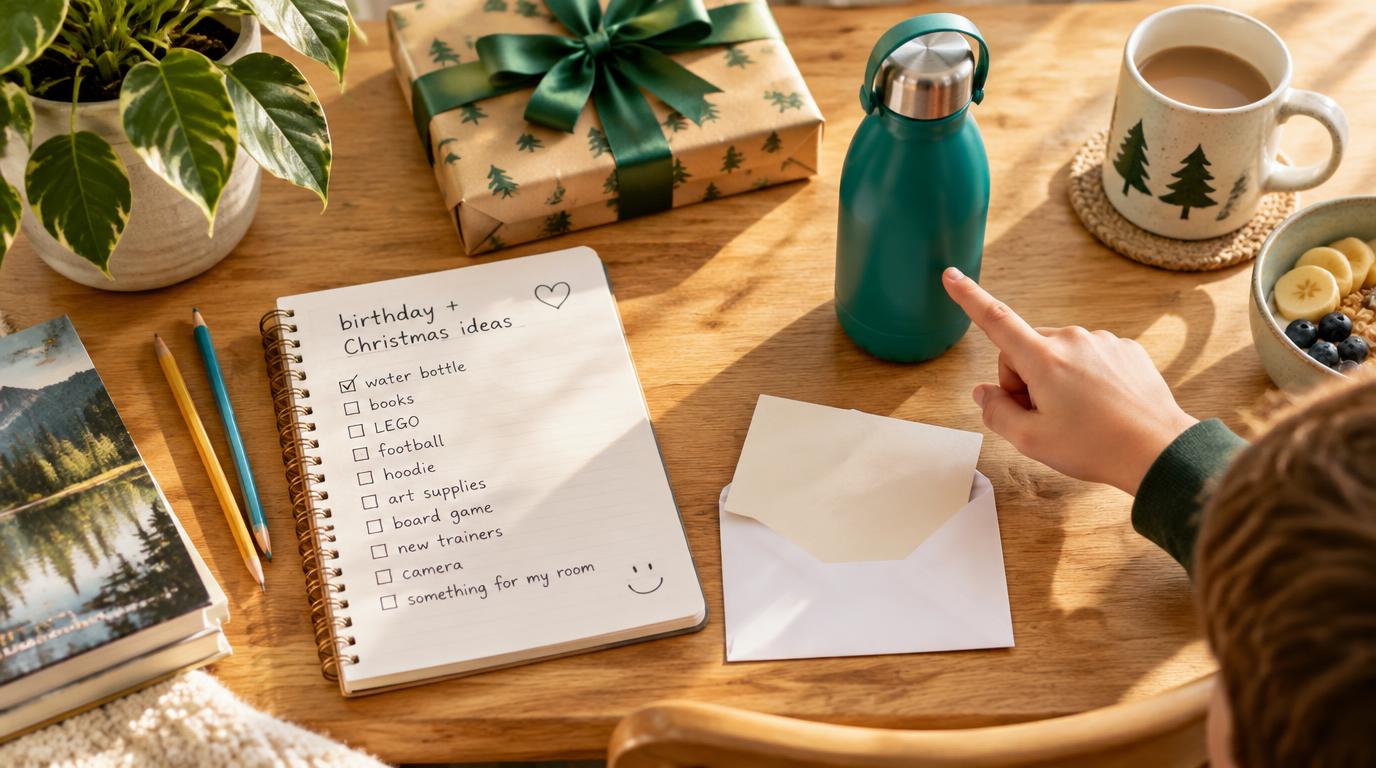
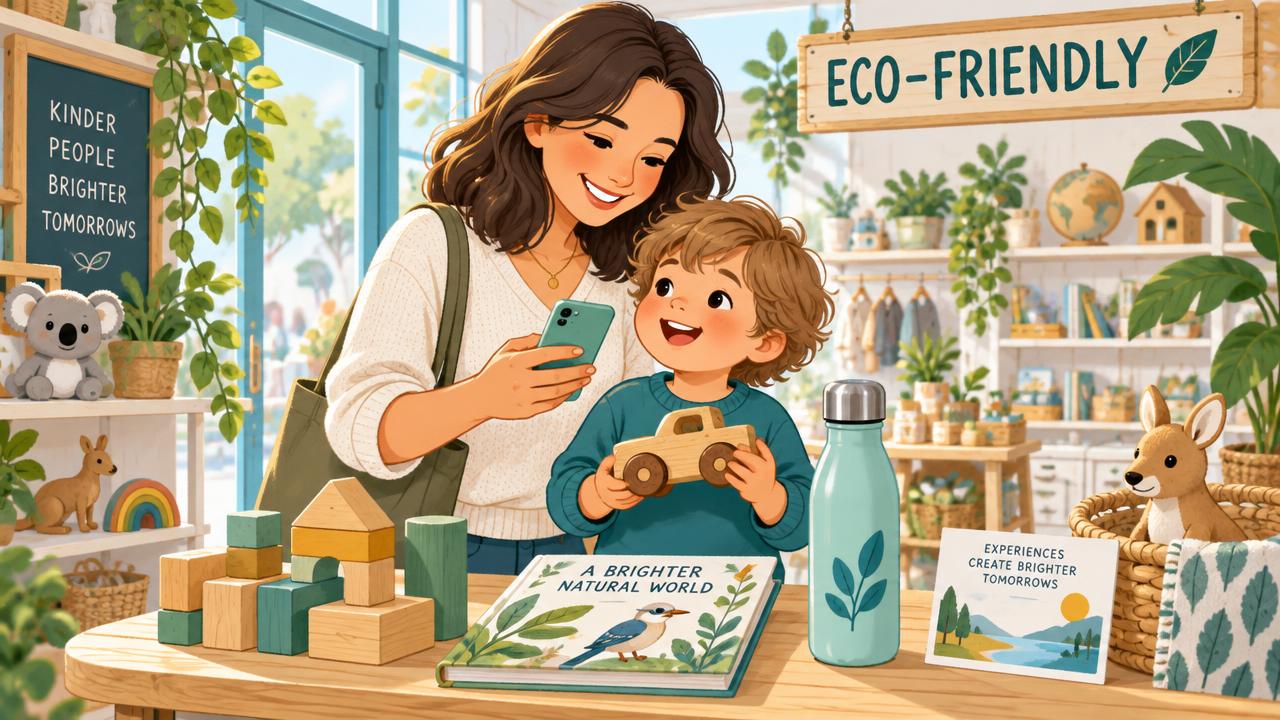
An item with an “eco-friendly” label may be a good choice, but the label alone does not make it right for the person. A sturdy toy, a favourite book or a water bottle used every day can be a more sustainable gift than something greener-looking that sits untouched in a cupboard.
The hidden journey of an unwanted present
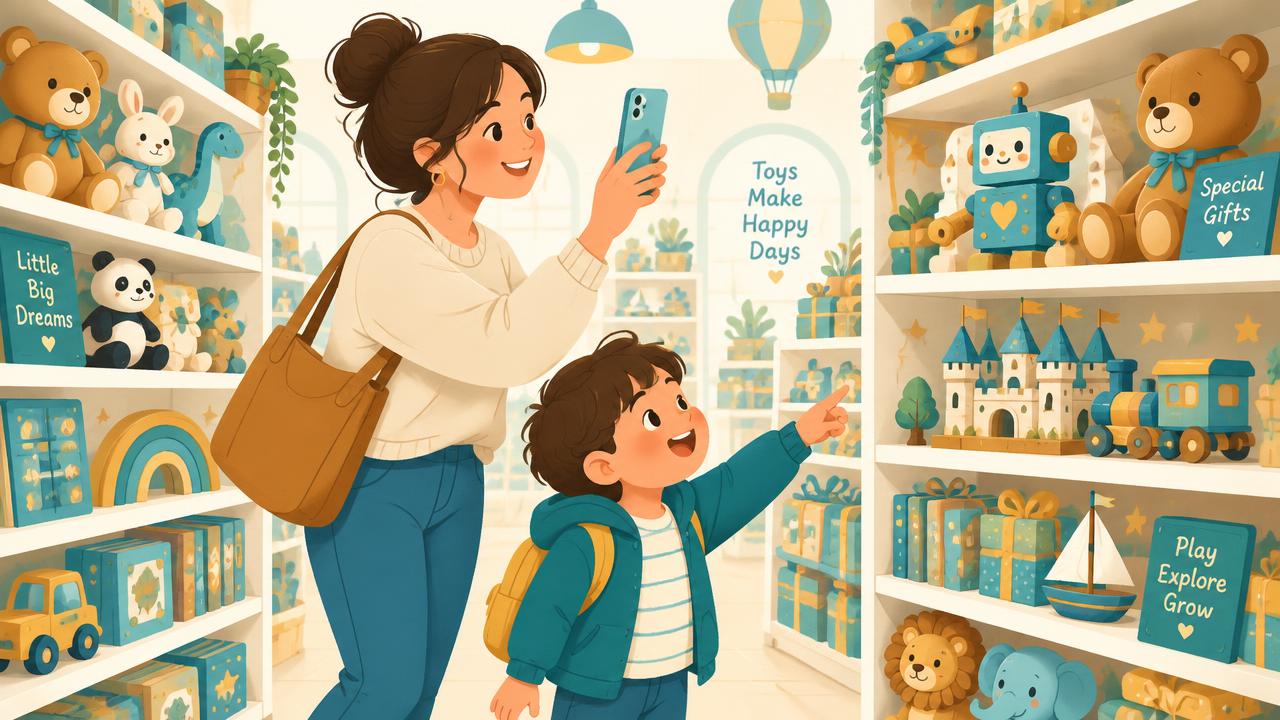
Before a gift reaches the party, people and resources have already gone into it. Someone made it. Materials were used. It was packaged, transported, put on a shelf or delivered to a door. The giver spent money, time and energy choosing it.
If it is unwanted, the journey often continues: another drive to return it, more transport to replace it, storage at home, a donation pile, or eventually the bin. None of that makes the giver less thoughtful. It simply shows how hard guessing can be.
Kinder on the planet: fewer things made, shipped and binned.
How a wish list takes away the guessing
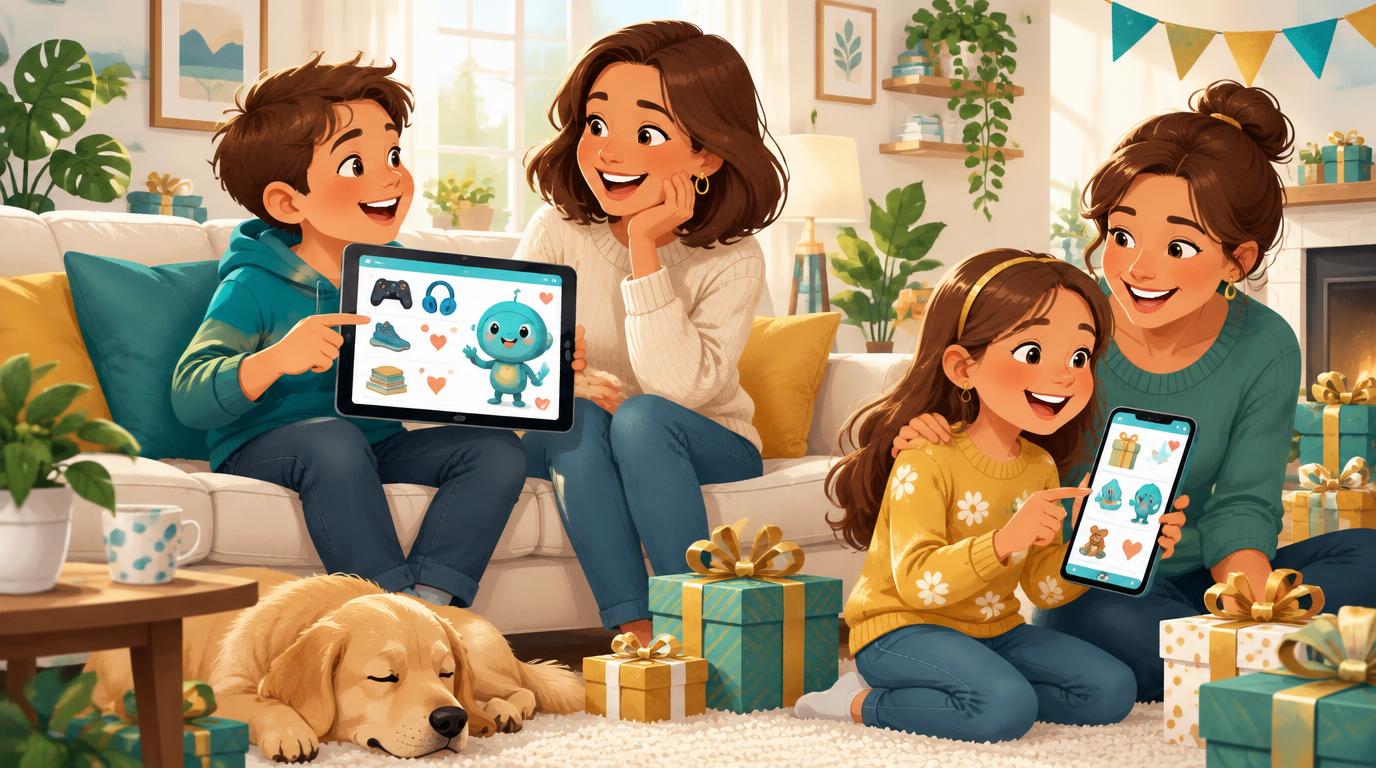
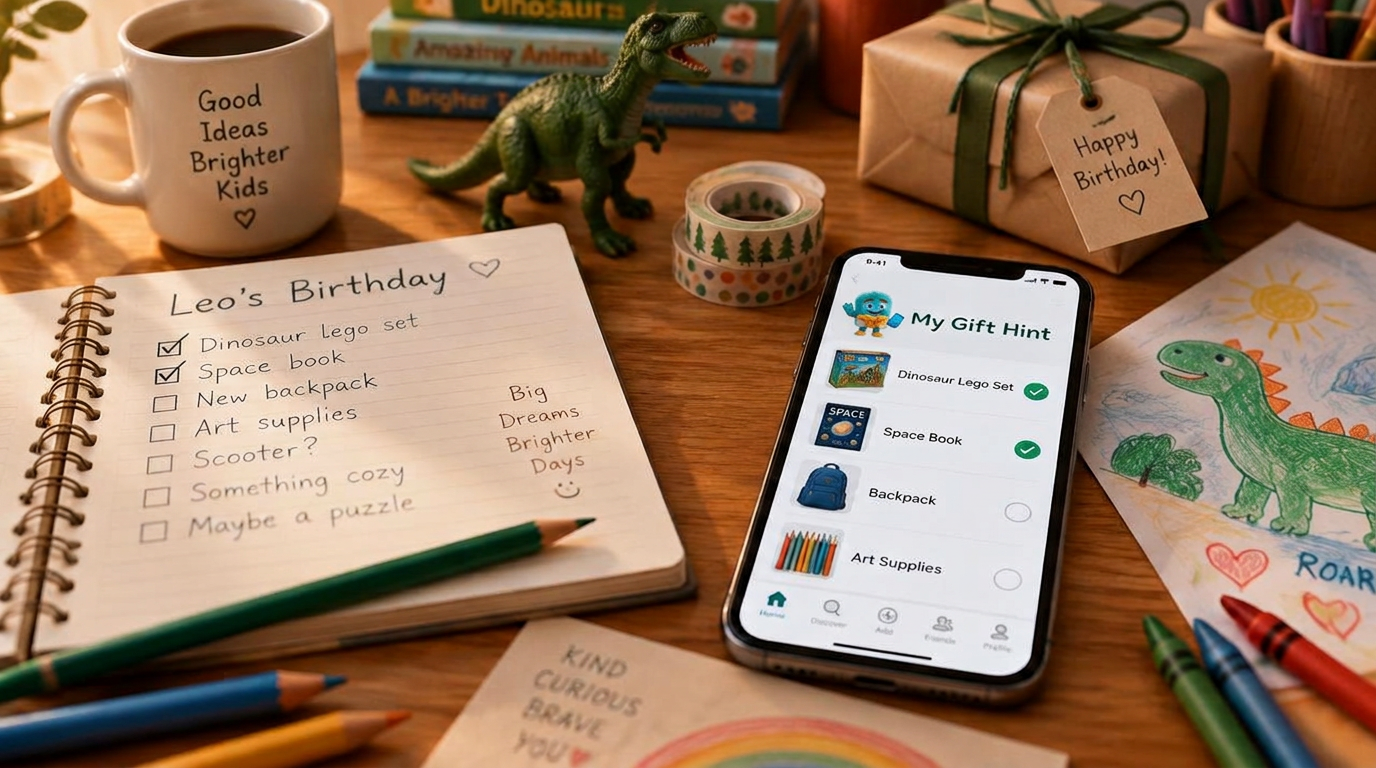
A shared wish list lets someone say, “These are the things I would genuinely love or use.” The giver still chooses. They just choose with confidence instead of hoping for the best.
- Fewer duplicate gifts and unnecessary purchases
- Less time and fuel spent returning the wrong thing
- Less clutter taking up space at home
- More of our money and energy going towards something useful
- More gifts that stay, get used and become part of family life
A list does not remove the thought from gifting. I think it protects it. Your care reaches the person in a form they can actually enjoy.
Simple ways to give with less waste
- Choose fewer, better things that can last, be repaired or be passed on.
- Give an experience when it suits the person — a zoo visit, a class, a meal or a day together. For a new mum, an offer to cook a few meals, a meal-delivery or massage voucher, or simply your time can mean more than anything wrapped; we shared why in our baby shower gift guide.
- Buy second-hand when it is welcomed, especially for books, toys and children's equipment with plenty of life left.
- Join together for one group giftinstead of several smaller things that were not really needed.
- Teach kids to give back — let your kid choose a cause they care about, whether it's a local animal rescue or a global charity, and add a small donation link as a gift hint. It balances the list, and relatives who prefer giving back over plastic toys love picking it.
- Support businesses doing betterfor people and the planet, and look for clear facts rather than vague green claims.
When the best gift is not a thing at all
Some of the most useful presents never come in a box. If your child is saving for something big, or already has more toys than they can play with, a list is still the right place to say so — you are simply hinting at something other than an object.
- A shared goal — a first two-wheel bike, a musical instrument, swimming lessons or summer camp. Add it as one hint, explain what it is for, and let guests contribute whatever they are comfortable with instead of buying another small thing.
- A cause your child cares about — an animal shelter, a wildlife charity or a local cause. Children who already have plenty often love the idea that their birthday helped something they care about.
- A mix of both — most families land here. Keep a few real gift hints on the list so guests who want to wrap something still can, and add the savings goal or charity as one extra option.
The wording matters more than the idea. “No presents please” can leave guests feeling stuck, while “If you would like to give something, we are saving for her first proper bike — or she would love to help the local animal shelter” gives them a clear, easy choice. Guests are usually relieved: they want to give something that counts, and you have just told them exactly how.
It is not about being perfect
Sustainable gifting is not a test, and nobody needs another reason to feel guilty. Sometimes the right gift is new. Sometimes it comes in packaging. Sometimes convenience matters. The goal is not perfection; it is making a more useful choice when we can.
If a gift is wanted, used and cared for, the money, materials and human effort behind it have a much better chance of being worthwhile.
Why I built My Gift Hint this way
This idea sits at the heart of My Gift Hint. A family can save exact gift hints with a photo and shop link, share one guest link, and let people quietly claim what they plan to buy. It cannot make every purchase sustainable, but it can reduce guessing, doubled-up gifts, unnecessary returns and things nobody asked for.
I still want birthdays and Christmas mornings to feel generous and exciting. I just want more of that generosity to become something loved and used — and less of it to become wasted money, wasted energy or clutter.
— Mira G ♥
The one-line answer
The most sustainable gift is often not the one with the greenest label — it is the one the person truly wants, keeps and uses.